
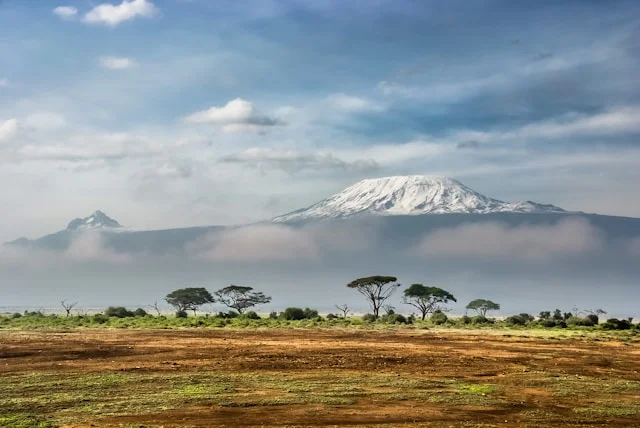
Nature operates on a clock that is far older than any human calendar. In the vast stretches of the eastern continent, this clock is set to the arrival of the rains. The movement of life across the plains is not random; it is a synchronized response to the availability of water and the growth of new grass. This seasonal pulse dictates the behavior of every living thing, from the smallest dung beetle to the largest elephant.
The Great Migration: More Than Just a Crossing
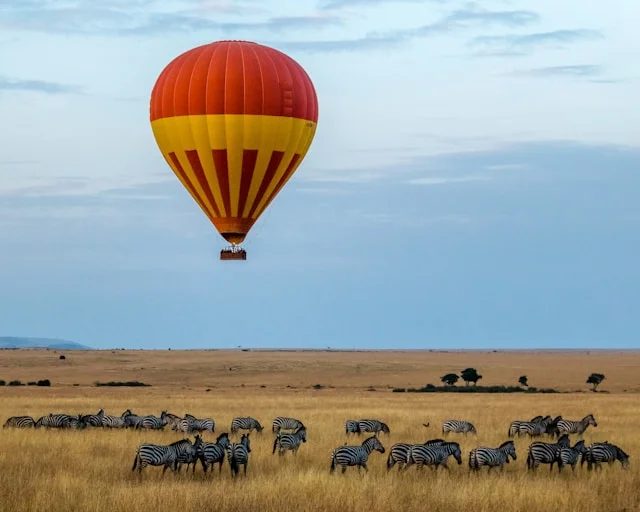
The annual movement of over a million wildebeest, zebras, and gazelles is often framed by its most dramatic moments the chaotic river crossings where crocodiles lie in wait. However, the migration is a year-round journey of incredible endurance. It is a quest for minerals and proteins found in specific grasses. For those embarking on a safari in Kenya, witnessing this event is a lesson in collective intelligence. The herds move as a single, undulating mass, guided by instinct and the scent of rain on the horizon. This spectacle is a reminder of the sheer scale of the natural world and the importance of preserving the vast, open spaces required for such movements.
The Northern Frontier: A Different World
To the north, the landscape changes dramatically. The lush green hills give way to a more rugged, arid terrain characterized by doum palms and acacia trees. This area is home to the “Special Five” species like the reticulated giraffe and the Grevy’s zebra, which have adapted to the harsher, drier conditions. This diversity proves that the region is not a monolith; it is a collection of distinct environments, each with its own set of rules and its own unique beauty. The northern frontier offers a quieter, more contemplative experience, far from the busier corridors of the south.
The Importance of Night Life in the Bush
The savannah does not sleep when the sun goes down; it merely changes its cast of characters. The transition from day to night the “golden hour” is a period of intense activity. Nocturnal hunters like leopards, hyenas, and various smaller cats begin their shifts. Modern conservation efforts emphasize the importance of protecting the integrity of the night, reducing light pollution to ensure that the natural rhythms of these predators remain undisturbed. The sounds of the African night the distant roar of a lion or the eerie laugh of a hyena are as much a part of the landscape as the physical terrain itself.
Sustainable Exploration for Future Generations
As global interest in these wild places grows, the challenge becomes how to share them without destroying them. The shift toward low-impact tourism and eco-conscious accommodations is not just a trend; it is a necessity. By respecting the boundaries of the animals and supporting initiatives that involve local communities in conservation, travelers play a role in ensuring that these seasonal pulses continue to beat for centuries to come. The goal is to leave the landscape exactly as it was found: wild, untamed, and magnificent.

Mark Thompson, a seasoned pest controller, is renowned for his expertise in keeping homes and businesses free from unwanted intruders. With a passion for environmental sustainability and a deep understanding of pest behavior, Mark has become a trusted authority in the industry.