
In the traditional healthcare setting, the exam room was once a sanctuary for dialogue and discovery. Today, however, that space is often occupied by an invisible wall: the laptop screen. As medical documentation requirements have ballooned over the last decade, the physical act of “charting” has fundamentally altered the body language of medicine. To counter this, forward-thinking healthcare administrators are turning to a decentralized solution that restores the intimacy of the patient-provider relationship. The rise of the virtual medical scribe represents a significant milestone in the effort to humanize digital healthcare.
Deconstructing the “Digital Burden”
The statistics surrounding physician burnout are increasingly tied to administrative volume. It is estimated that for every hour a clinician spends with a patient, an equal amount of time is dedicated to administrative tasks. This “shadow work” is not just a logistical hurdle; it is a primary contributor to cognitive fatigue. When a provider’s focus is split between a patient’s verbal history and the precise requirements of an Electronic Health Record (EHR) system, the quality of both the care and the documentation can suffer.
This is where the virtual medical scribe enters the equation. By utilizing secure, high-fidelity audio or video links, these specialists join the clinical encounter from a remote location. They act as a silent partner, capturing the intricacies of the conversation, documenting physical exam findings as they are called out, and inputting orders in real-time. This allows the physician to remain physically and mentally present with the patient, fostering an environment of trust and thoroughness.
The Professional Profile: More Than Just Data Entry
One of the most significant misconceptions about remote documentation is that it is a clerical, “copy-paste” role. In reality, the modern virtual specialist functions as a clinical assistant with a high degree of specialized knowledge. To be effective, they must master several competencies:
- Linguistic Precision: Translating patient-friendly descriptions into professional medical terminology.
- Systemic Accuracy: Understanding the specific hierarchies of different EHR platforms (such as Epic, Cerner, or Athenahealth).
- Clinical Anticipation: Learning the unique preferences and diagnostic patterns of individual providers to ensure the record reflects the physician’s specific “voice.”
This level of integration requires a rigorous educational background, often attracting individuals with a passion for healthcare who are looking to understand the mechanics of clinical decision-making from the inside out.
HR and Operational Resilience
From a management perspective, the decision to implement a virtual support model is a strategic move toward operational resilience. In an era of unpredictable staffing challenges, having a decentralized documentation team offers a layer of protection. If a local clinic faces a staffing shortage or a geographic emergency, the virtual infrastructure remains intact, ensuring that clinical records are maintained without interruption.
Furthermore, the “virtual-first” approach to documentation support allows for better workload distribution. HR departments can match specialists to providers based on expertise rather than proximity. For example, a specialist with a background in pediatric cardiology can support a cardiologist halfway across the country, ensuring that the nuances of that specific field are captured with a level of detail that a generalist might miss.

Impact on Patient Outcomes and Satisfaction
The ultimate metric of success in any healthcare innovation is the impact on the patient. When a virtual medical scribe is integrated into the workflow, patients report a noticeable difference in their experience. They feel “seen” rather than just “processed.” The removal of the computer from the direct line of sight between the doctor and patient allows for a more open exchange of information.
Moreover, the accuracy of the record has direct implications for patient safety. With a dedicated professional focusing solely on the documentation, the risk of missing a medication dose change or a follow-up instruction is significantly reduced. The result is a more accurate, more comprehensive, and more actionable medical history.
The Path Forward: Embracing a Balanced Model
As we look toward the future of healthcare, the goal is clear: we must leverage technology to reduce the distance between the provider and the patient, not increase it. The integration of a virtual medical scribe is a testament to this philosophy. It recognizes that while the digital record is an essential tool for modern medicine, it should never be a barrier to the human connection that lies at the heart of healing.
By decentralizing the administrative burden, healthcare organizations are not just improving their bottom line; they are preserving the professional longevity of their clinicians and the health of their communities. In the evolving landscape of 21st-century medicine, the most innovative practices are those that use virtual solutions to get back to the basics of care.
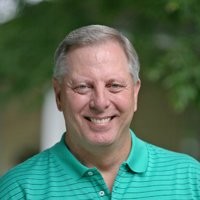
Mark Thompson, a seasoned pest controller, is renowned for his expertise in keeping homes and businesses free from unwanted intruders. With a passion for environmental sustainability and a deep understanding of pest behavior, Mark has become a trusted authority in the industry.
Leave a Reply