
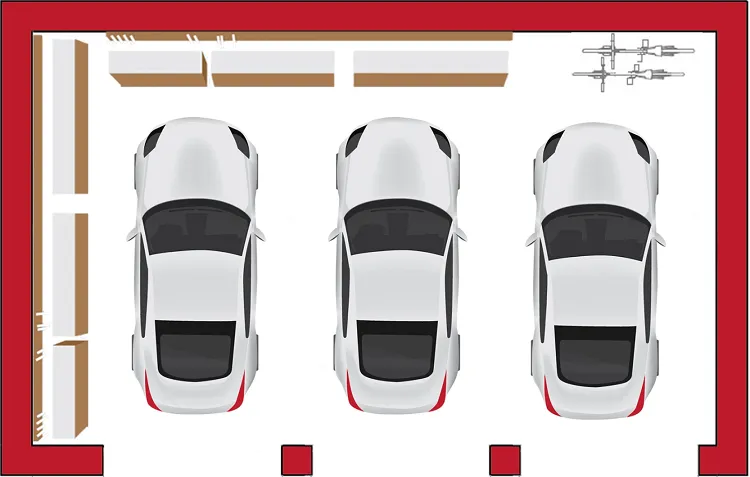
Building a garage in Edmonton is an excellent investment that adds value to your property while providing essential storage and vehicle protection. Whether you’re looking to construct a simple single-car garage or a complex multi-bay structure, understanding the construction process and associated costs is crucial for making informed decisions. This comprehensive guide will walk you through everything you need to know about the construction of garages in Edmonton, from planning to completion.
Key Takeaways
- Edmonton’s climate requires specific construction considerations for garage durability
- Proper planning and permits are essential before starting construction
- Various garage types offer different benefits and cost implications
- Using a professional cost calculator helps determine accurate budgets
- Quality materials and construction methods ensure long-term value
Understanding Garage Construction Basics in Edmonton
The construction of garages in Edmonton requires careful consideration of local building codes, climate conditions, and property specifications. Edmonton’s harsh winters and variable weather patterns demand robust construction techniques that can withstand temperature fluctuations, snow loads, and moisture exposure. Modern garage construction typically involves concrete foundations, wood or steel framing, proper insulation, and weather-resistant exterior materials.
When planning your garage project, you’ll need to consider factors such as size requirements, intended use, architectural style compatibility with your home, and budget constraints. The construction of garages involves multiple trades including excavation, concrete work, framing, roofing, electrical, and finishing work. Each phase requires proper coordination and quality control to ensure a successful outcome.
Edmonton’s building regulations specify minimum requirements for structural integrity, fire safety, and energy efficiency. Professional contractors familiar with local codes ensure your garage meets all necessary standards while maximizing functionality and longevity.
Types of Garages Available for Construction
Attached Garages
Attached garages connect directly to your home, offering convenient access and potential cost savings through shared walls and utilities. These structures integrate seamlessly with your home’s architecture and provide protected entry during Edmonton’s harsh weather conditions. The construction of garages in this style requires careful attention to fire separation requirements and proper ventilation systems.
Attached garages typically cost less to build due to shared foundation and wall elements. However, they require more complex planning to ensure proper integration with existing home systems including electrical, plumbing, and HVAC connections.
Detached Garages
Detached garages stand separately from your home, offering greater flexibility in design, size, and placement on your property. These structures are ideal for larger vehicles, workshop spaces, or when your home’s architecture doesn’t accommodate attached construction. The construction of garages in detached format allows for creative designs and multi-functional use.
While detached garages may cost more due to separate foundation and utility requirements, they provide excellent storage solutions without impacting your home’s indoor air quality or noise levels. They’re particularly popular for properties with limited space adjacent to the house.
Planning Your Garage Construction Project
Site Evaluation and Preparation
Before beginning the construction of garages, thorough site evaluation determines optimal placement, drainage requirements, and utility access. Edmonton’s clay soil conditions require specific foundation considerations to prevent settling and cracking. Professional site assessment identifies potential challenges such as underground utilities, property line restrictions, and grade requirements.
Proper site preparation includes excavation, grading, and utility planning. Your contractor should coordinate with local utility companies to mark underground lines and plan for electrical service installation. Site preparation also involves considering future landscaping and driveway connections.
Obtaining Necessary Permits
Edmonton requires building permits for most garage construction projects. The permit process involves submitting detailed construction plans, structural calculations, and proof of property ownership. Building officials review plans for code compliance, setback requirements, and neighborhood compatibility.
The construction of garages must comply with zoning bylaws regarding maximum building heights, lot coverage percentages, and architectural guidelines. Professional contractors typically handle permit applications and coordinate with city inspectors throughout the construction process.
Essential Construction Materials and Methods
Foundation Systems
Edmonton’s freeze-thaw cycles require robust foundation systems designed for local soil conditions. Concrete slab foundations with proper vapor barriers and insulation prevent moisture problems and maintain structural integrity. The construction of garages typically involves pouring concrete foundations below frost line depth to prevent heaving and settling.
Modern foundation systems include radiant heating options, drainage systems, and proper reinforcement for heavy vehicle loads. Quality concrete mixes designed for Edmonton’s climate ensure long-term durability and minimal maintenance requirements.
Framing and Structural Elements
Wood frame construction remains popular for the construction of garages due to cost-effectiveness and design flexibility. Engineered lumber products provide consistent quality and dimensional stability. Steel framing offers superior strength and durability but requires specialized installation techniques.
Proper framing includes adequate spacing for electrical and plumbing rough-in, appropriate header sizes for door openings, and structural elements designed for local snow loads. Quality framing ensures your garage withstands Edmonton’s weather extremes while providing decades of reliable service.
Electrical and Mechanical Systems
Modern garage construction requires comprehensive electrical systems including adequate outlets, lighting, and garage door operator circuits. The construction of garages should include provisions for electric vehicle charging, workshop equipment, and security systems. Professional electricians ensure code compliance and safe installation practices.
Mechanical systems may include ventilation fans, heating units, and compressed air systems depending on intended use. Proper planning during construction allows for future upgrades without major modifications. HVAC considerations become important for garages used as workshops or storage areas requiring climate control.
Cost Factors in Garage Construction
Size and Complexity Considerations
The construction of garages costs vary significantly based on size, features, and complexity. Single-car garages typically cost less per square foot than larger structures due to efficiency factors. Two-car and three-car garages offer better value while providing increased storage and functionality.
Complex features such as second-story storage, workshop areas, or architectural details increase construction costs but add significant value. Custom designs require more planning time and specialized construction techniques compared to standard garage plans.
Material Quality and Selection
Material choices dramatically impact both initial construction costs and long-term maintenance requirements. The construction of garages using premium materials increases upfront investment but reduces future repair and replacement costs. Quality materials also enhance property value and aesthetic appeal.
Standard materials provide adequate performance for basic storage needs, while upgraded options offer enhanced durability, insulation, and appearance. Professional contractors help balance cost considerations with performance requirements based on your specific needs and budget.
Using Cost Calculators for Accurate Budgeting
Professional https://www.completegarages.ca/cost-calculator/ provide valuable insights into construction expenses before committing to your project. These tools consider multiple variables including size, materials, local labor rates, and optional features to generate realistic budget estimates. The construction of garages involves numerous cost components that can be difficult to estimate without professional guidance.
Online calculators help homeowners understand cost relationships between different design choices and material selections. They provide starting points for budget planning while highlighting areas where cost savings or upgrades might be appropriate. Professional contractors use these tools alongside detailed estimates to ensure accurate pricing.
| Garage Type | Size Range | Estimated Cost Range | Construction Timeline |
|---|---|---|---|
| Single Car | 12′ x 20′ | $8,000 – $15,000 | 3-5 days |
| Double Car | 20′ x 20′ | $12,000 – $25,000 | 5-7 days |
| Triple Car | 24′ x 36′ | $18,000 – $40,000 | 7-10 days |
| Custom Design | Variable | $25,000+ | 10+ days |
Timeline and Construction Process
Pre-Construction Phase
The construction of garages begins with detailed planning, permit acquisition, and contractor selection. This phase typically takes 2-4 weeks depending on permit processing times and design complexity. Proper planning prevents delays and ensures smooth construction progress.
Site preparation follows permit approval and includes excavation, utility coordination, and material delivery scheduling. Weather conditions significantly impact timeline planning in Edmonton, with optimal construction occurring during warmer months.
Construction Phases
Active construction typically progresses through foundation work, framing, roofing, siding, and finishing phases. The construction of garages generally takes 1-3 weeks depending on size and complexity. Professional contractors maintain detailed schedules while accommodating weather delays and inspection requirements.
Quality control throughout construction ensures proper installation and code compliance. Regular inspections by building officials verify work quality and authorize progression to subsequent construction phases.
Choosing the Right Construction Team
Contractor Selection Criteria
Selecting qualified contractors is crucial for successful garage construction projects. The construction of garages requires specialized knowledge of local building codes, soil conditions, and weather considerations. Experienced contractors provide valuable guidance throughout the planning and construction process.
Key selection criteria include proper licensing, insurance coverage, local experience, and customer references. Professional contractors offer detailed contracts, clear communication, and warranty coverage for their work. They coordinate all trades and handle permit requirements efficiently.
Working with Design Professionals
Complex garage projects benefit from professional design services including architects or structural engineers. The construction of garages with unique features or challenging site conditions requires professional expertise to ensure successful outcomes.
Design professionals help optimize space utilization, ensure code compliance, and coordinate with contractors throughout construction. They provide detailed plans and specifications that facilitate accurate pricing and quality construction.
Maintenance and Long-Term Considerations
Regular Maintenance Requirements
Proper maintenance ensures your garage provides decades of reliable service while maintaining property value. The construction of garages using quality materials and methods reduces long-term maintenance requirements but doesn’t eliminate them entirely. Regular inspections identify potential issues before they become major problems.
Essential maintenance tasks include roof inspections, gutter cleaning, door hardware lubrication, and foundation monitoring. Seasonal maintenance schedules help protect your investment while ensuring safe operation of garage systems.
Future Modification Possibilities
Well-planned garage construction allows for future modifications and upgrades without major structural changes. The construction of garages should consider potential future needs such as electric vehicle charging, workshop equipment, or storage expansion.
Professional construction includes provisions for electrical upgrades, plumbing additions, and heating system installation. Quality initial construction provides flexibility for future enhancements while maintaining structural integrity.
Energy Efficiency and Environmental Considerations
Modern garage construction emphasizes energy efficiency through proper insulation, air sealing, and efficient mechanical systems. The construction of garages using sustainable materials and methods reduces environmental impact while providing long-term cost savings.
Energy-efficient features include insulated garage doors, LED lighting, and smart control systems. These upgrades increase initial construction costs but provide ongoing operational savings and enhanced functionality. Professional guidance from https://www.completegarages.ca/ helps identify cost-effective efficiency improvements.
Conclusion
The construction of garages in Edmonton represents a valuable investment that enhances property functionality, value, and convenience. Successful projects require careful planning, quality materials, skilled contractors, and proper attention to local building requirements. Understanding construction processes, cost factors, and maintenance requirements helps homeowners make informed decisions that provide lasting satisfaction.
Whether building a simple storage garage or a complex workshop facility, professional guidance ensures optimal results within budget constraints. Modern construction techniques and materials provide excellent durability and performance when properly installed by qualified contractors. The construction of garages continues evolving with new technologies and methods that enhance functionality while reducing environmental impact.

Mark Thompson, a seasoned pest controller, is renowned for his expertise in keeping homes and businesses free from unwanted intruders. With a passion for environmental sustainability and a deep understanding of pest behavior, Mark has become a trusted authority in the industry.