Category: Health

  • How to Build a Better Post-Workout Recovery Routine for Long-Term Mobility

    How to Build a Better Post-Workout Recovery Routine for Long-Term Mobility

    Many individuals consider recovery as not training. That’s the wrong perspective. The time between training sessions – where your nervous system, connective tissue, and joint range all recover – is where the magic happens. The athletes who last longest aren’t always the ones who train the hardest – they’re the ones who recover the smartest.

    If you wish to keep training injury-free for years, rather than weeks, recovery must be just as purposeful as the training. Treat it as an extension of your session, not a break from it.

    Start With A Neurological Reset

    The hour right after you finish a workout is often wasted on passive scrolling or rushing back to work. But your nervous system is still running hot. The sympathetic state that got you through the session – elevated cortisol, accelerated heart rate, narrowed focus – actively works against tissue repair if you don’t address it.

    Four to six minutes of diaphragmatic breathing shifts the body into a parasympathetic state faster than most people expect. Inhale for four counts, hold briefly, exhale for six. That extended exhale is what activates the vagus nerve. This isn’t soft wellness advice. It’s basic physiology. Your muscles can’t begin remodeling efficiently while cortisol is still elevated, and breathwork is one of the fastest ways to bring that down without waiting an hour.

    Once you’re calm, keep moving lightly. A fifteen-minute walk or easy mobility flow counts as active recovery. It circulates blood through fatigued tissue without adding systemic stress. Compare that to collapsing on the couch immediately, where pooled blood in tight muscle groups can extend the window of DOMS, the soreness that typically peaks 24 to 72 hours after intense effort.

    Topical Support And Mineral Replenishment

    There’s a gap in most recovery routines between the workout and the sleep window. That gap is where localized tension accumulates and often gets ignored until it becomes a real problem.

    Topical magnesium has become a practical option here. Magnesium chloride applied directly to the skin allows transdermal absorption – the mineral moves through the skin into the underlying tissue without going through the digestive system first. For people who’ve experienced GI discomfort from oral magnesium supplements, this matters. Using a magnesium lotion for muscle relief on a specific area – a tight hip flexor, a fatigued calf, sore shoulders – delivers targeted support rather than a whole-body supplement dose that’s hit or miss depending on what you’ve eaten.

    Applied before bed, it also supports the sleep process itself. Magnesium plays a role in regulating neuromuscular activity, and lower muscle tension going into sleep directly affects how deeply you rest. Most tissue repair happens during deep and REM sleep cycles. If you’re waking up still tight and unrestored, what’s happening in the hours before sleep is worth examining.

    Build Mobility With Eccentric Control, Not Just Stretching

    Stretching after a workout can be beneficial, but let’s get one thing straight: Holding a quad stretch for fifteen seconds, a hamstring stretch for thirty seconds, or a calf stretch for twenty seconds is not “building” anything. It’s simply increasing the tissue’s tolerance to that length for a small and temporary amount of time. That is a good thing and useful, but it’s a tiny slice of the overall pie.

    What actually strengthens and lengthens tendons (which injury-prevention research clearly shows is critical for joint health and athleticism) is eccentric-focused mobility work. Work in which you are controlling the lengthening phase of a movement, under load. A slow and controlled lower in a single-leg Romanian deadlift. A Nordic hamstring curl. A deep, slow, and controlled eccentric in a Bulgarian split squat.

    These type of movements train the muscle-tendon to handle the range, as opposed to just touching the range. This is what keeps athletes playing at high levels, and often pain-free, for decades.

    Know The Difference Between Soreness And A Signal

    A strict recovery checklist can only take you so far before your body starts sending different signals. Soreness – the dull, bilateral ache that comes after challenging effort – is normal and occasion to soldier on. Sharp, unilateral pain, swelling, or any decline of function is not soreness. It’s your body trying to tell you something that a foam roller isn’t going to fix.

    Neuromuscular fatigue is also a category worth distinguishing. When your coordination feels off, when you’re dropping weights or moving with less precision, that’s your nervous system calling for full rest – not active recovery, not mobility work, not an extended warm-up. The American Council on Exercise (ACE) reports that overtraining syndrome is coupled with a 10 to 15 percent increase in resting heart rate in addition to debilitating neuromuscular fatigue.

    Monitoring morning heart rate is an easy way to bring this phenomenon to your awareness before it results in an injury.

    Stack The Methods, Not Just The Habits

    Healthy habits that last for several years are not based on a single strategy. They are based on a sequence of steps – starting with breathwork, followed by movement, then external support, and finally, sleep hygiene. Each step prepares for the next one.

    You don’t need to practice everything in a single session. However, those athletes who maintain mobility in their forties and beyond are not just making smarter training choices. They are recovering with the same accuracy and dedication they put into planning their training.

  • The Architecture of Trust: Reclaiming the Clinical Encounter Through Virtual Integration

    The Architecture of Trust: Reclaiming the Clinical Encounter Through Virtual Integration

    In the traditional healthcare setting, the exam room was once a sanctuary for dialogue and discovery. Today, however, that space is often occupied by an invisible wall: the laptop screen. As medical documentation requirements have ballooned over the last decade, the physical act of “charting” has fundamentally altered the body language of medicine. To counter this, forward-thinking healthcare administrators are turning to a decentralized solution that restores the intimacy of the patient-provider relationship. The rise of the virtual medical scribe represents a significant milestone in the effort to humanize digital healthcare.

    Deconstructing the “Digital Burden”

    The statistics surrounding physician burnout are increasingly tied to administrative volume. It is estimated that for every hour a clinician spends with a patient, an equal amount of time is dedicated to administrative tasks. This “shadow work” is not just a logistical hurdle; it is a primary contributor to cognitive fatigue. When a provider’s focus is split between a patient’s verbal history and the precise requirements of an Electronic Health Record (EHR) system, the quality of both the care and the documentation can suffer.

    This is where the virtual medical scribe enters the equation. By utilizing secure, high-fidelity audio or video links, these specialists join the clinical encounter from a remote location. They act as a silent partner, capturing the intricacies of the conversation, documenting physical exam findings as they are called out, and inputting orders in real-time. This allows the physician to remain physically and mentally present with the patient, fostering an environment of trust and thoroughness.

    The Professional Profile: More Than Just Data Entry

    One of the most significant misconceptions about remote documentation is that it is a clerical, “copy-paste” role. In reality, the modern virtual specialist functions as a clinical assistant with a high degree of specialized knowledge. To be effective, they must master several competencies:

    • Linguistic Precision: Translating patient-friendly descriptions into professional medical terminology.
    • Systemic Accuracy: Understanding the specific hierarchies of different EHR platforms (such as Epic, Cerner, or Athenahealth).
    • Clinical Anticipation: Learning the unique preferences and diagnostic patterns of individual providers to ensure the record reflects the physician’s specific “voice.”

    This level of integration requires a rigorous educational background, often attracting individuals with a passion for healthcare who are looking to understand the mechanics of clinical decision-making from the inside out.

    HR and Operational Resilience

    From a management perspective, the decision to implement a virtual support model is a strategic move toward operational resilience. In an era of unpredictable staffing challenges, having a decentralized documentation team offers a layer of protection. If a local clinic faces a staffing shortage or a geographic emergency, the virtual infrastructure remains intact, ensuring that clinical records are maintained without interruption.

    Furthermore, the “virtual-first” approach to documentation support allows for better workload distribution. HR departments can match specialists to providers based on expertise rather than proximity. For example, a specialist with a background in pediatric cardiology can support a cardiologist halfway across the country, ensuring that the nuances of that specific field are captured with a level of detail that a generalist might miss.

    Impact on Patient Outcomes and Satisfaction

    The ultimate metric of success in any healthcare innovation is the impact on the patient. When a virtual medical scribe is integrated into the workflow, patients report a noticeable difference in their experience. They feel “seen” rather than just “processed.” The removal of the computer from the direct line of sight between the doctor and patient allows for a more open exchange of information.

    Moreover, the accuracy of the record has direct implications for patient safety. With a dedicated professional focusing solely on the documentation, the risk of missing a medication dose change or a follow-up instruction is significantly reduced. The result is a more accurate, more comprehensive, and more actionable medical history.

    The Path Forward: Embracing a Balanced Model

    As we look toward the future of healthcare, the goal is clear: we must leverage technology to reduce the distance between the provider and the patient, not increase it. The integration of a virtual medical scribe is a testament to this philosophy. It recognizes that while the digital record is an essential tool for modern medicine, it should never be a barrier to the human connection that lies at the heart of healing.

    By decentralizing the administrative burden, healthcare organizations are not just improving their bottom line; they are preserving the professional longevity of their clinicians and the health of their communities. In the evolving landscape of 21st-century medicine, the most innovative practices are those that use virtual solutions to get back to the basics of care.

  • Vaikų Oftalmologas Vilnius – Expert Eye Care for Children

    Vaikų Oftalmologas Vilnius – Expert Eye Care for Children

    As a parent, it’s vital to keep your child’s eyes healthy. Vaikų Oftalmologas Vilnius offers top-notch eye care for kids. Our team of skilled pediatric ophthalmologists is ready to help your child.

    Our team at Vaikų Oftalmologas Vilnius focuses on your child’s specific needs. We use the latest technology for eye exams. Choosing us means your child’s eyes are in the best care.

    Comprehensive Pediatric Eye Care Services at Vaikų Oftalmologas Vilnius

    At Vaikų Oftalmologas Vilnius, we know how vital eye care is for kids. Our team of expert pediatric ophthalmologists offers top-notch eye care services. This includes routine eye exams and complex vision correction procedures. We aim to give your child the best care for their vision, making us the top choice in Vilnius.

    Our vilnius child eye clinic provides a wide range of services. These include:

    • Specialized children’s vision examinations to detect any possible vision problems
    • Advanced diagnostic technologies for accurate diagnoses
    • Personalized treatment plans tailored to your child’s unique needs

    We strive to create a child-friendly environment. Your child will feel comfortable and secure here. We believe every child deserves the best eye care. Whether it’s a routine exam or a complex procedure, we’re here to assist.

    Our Team of Expert Pediatric Ophthalmologists

    At Vaikų Oftalmologas Vilnius, we’re proud of our team. They are skilled and dedicated to giving top-notch care for kids’ eyes. Our doctors handle everything from simple vision problems to complex ones like amblyopia and strabismus.

    We focus on personalized care for each child. Our goal is to make sure every kid gets the right treatment for their needs. Our place is designed to be welcoming and comfortable for kids.

    Here’s what our team offers:

    • Comprehensive eye exams for children of all ages
    • Diagnosis and treatment of common vision problems
    • Management of complex eye conditions
    • Personalized treatment plans tailored to each child’s needs

    Our pediatric ophthalmologists keep up with the latest in eye care for kids. This means your child gets the best treatments available. Choosing Vaikų Oftalmologas Vilnius means your child is in safe hands.

    State-of-the-Art Children’s Eye Care Facilities

    At Vaikų Oftalmologas Vilnius, we focus on making kids feel comfortable during their eye exams. Our clinic is designed to be welcoming and fun. We have amenities and games to help kids relax.

    Our team of experienced children’s eye doctors knows how important a friendly atmosphere is. That’s why we have the latest facilities and equipment.

    Our clinic is equipped with the latest technology. This helps us give accurate diagnoses and effective treatments. We make sure our young patients are safe and comfortable. Our facilities include:

    • Advanced diagnostic technologies
    • Comfortable and spacious examination rooms
    • A child-friendly waiting area with entertainment options
    • A team of experienced and caring staff

    Choosing Vaikų Oftalmologas Vilnius means your child gets top-notch care. Our children’s eye doctor is dedicated to personalized care. We can’t wait to welcome you and your child for their eye exam.

    Treatment Options for Common Childhood Vision Issues

    At Vaikų Oftalmologas Vilnius, our team of experienced pediatric ophthalmologists offers many treatment options. These include treatments for myopia, hyperopia, and astigmatism. These issues can make it hard for kids to learn and play.

    We work with parents to find the best treatment for their child. We consider their unique needs and situation. Our goal is to help kids see better and live better lives.

    We provide a variety of treatments. These include glasses, contact lenses, refractive surgery, and vision therapy. We aim to give each child the best care for their vision problem.

    Some common treatments for kids include:

    • Corrective eyewear, like glasses or contact lenses, to help vision and reduce eye strain
    • Refractive surgery, like LASIK, to fix vision problems and reduce need for glasses or contacts
    • Vision therapy, a physical therapy for the eyes, to improve vision and reduce eye strain and fatigue

    Our team at Vaikų Oftalmologas Vilnius is committed to top-notch care for kids. We work with parents to make sure each child gets the best treatment. We want them to have the best vision and health possible.

    Why Choose Our Vilnius Pediatric Eye Center?

    When it comes to your child’s eye care, you want the best. Our vilnius child eye clinic offers top-notch care for your little ones. We have a team of experienced pediatric ophthalmologists, ensuring care that meets international standards.

    Our clinic is designed to be comfortable and welcoming for children. We give personalized attention and care, understanding each child’s unique needs. Whether it’s a routine eye exam or complex treatment, we’re here to help.

    Experience and Expertise

    Our team of pediatric ophthalmologists has years of experience. We keep up with the latest in pediatric ophthalmology. This means your child gets the safest and most effective treatments.

    Convenient Location and Hours

    We know your schedule is busy. That’s why we offer flexible hours and a convenient location. Our vilnius child eye clinic is easy to reach, making it simple to schedule an appointment.

    International Standards of Care

    At our vilnius pediatric eye center, we aim for international standards of care. We believe every child deserves the best care, no matter where they are. Choosing our clinic means your child is in good hands.

    Conclusion: Your Child’s Vision Health Partner in Vilnius

    At Vaikų Oftalmologas Vilnius, we are your child’s trusted partner for eye exams and care. Our team of expert pediatric ophthalmologists is here to help. We provide personalized and compassionate care to ensure your child’s vision health is top-notch.

    Need a routine eye exam or specialized treatment? Our Vilnius pediatric eye center has got you covered. We use the latest diagnostic technologies and treatments for a wide range of vision issues. This includes refractive errors and eye diseases.

    Choosing Vaikų Oftalmologas Vilnius means your child’s vision is in safe hands. We’ll work with you to create a care plan that fits your child’s needs. See the difference our expertise and dedication can make in your child’s vision health journey.

  • Unlocking Peak Performance: How Chiropractic Care Fuels Sports & Injury Recovery

    Unlocking Peak Performance: How Chiropractic Care Fuels Sports & Injury Recovery

    Ever had an injury take you out of the game longer than expected? Or maybe you’re constantly dealing with nagging aches and pains that just won’t go away? That’s where chiropractic care comes in. Whether you’re a gym lover, weekend warrior, or a serious athlete, your body takes a beating. And while ice packs and painkillers might offer a quick fix, they don’t address the real issue. Chiropractic care isn’t just about cracking backs—it’s about getting your body to heal properly, move better, and perform at its best.

    The Real Reason Injuries Linger Longer Than They Should

    A lot of injuries don’t just “go away” on their own. If your spine or joints are out of alignment, it can throw off your entire movement pattern, putting more stress on certain muscles and joints. That extra strain makes healing take longer, and worse—it sets you up for more injuries down the road.

    Chiropractors offering sports therapy Woodbury MN will focus on restoring balance in your body. Through adjustments, soft tissue work, and rehab exercises, they make sure everything is moving the way it should. The result? Less pain, faster recovery, and a body that actually works with you—not against you.

    Common Sports Injuries That Chiropractic Helps

    If you’re dealing with any of these, a chiropractor could be the missing piece to your recovery:

    1. Sprains, Strains & Muscle Pulls

    Pulled a muscle during a workout? Twisted an ankle during a run? Soft tissue injuries like sprains and strains heal faster when your joints are properly aligned, reducing inflammation and restoring mobility.

    2. Tendonitis & Overuse Injuries

    Repetitive movements—like swinging a racket or running on pavement—can inflame your tendons. Chiropractic care helps improve biomechanics so you’re not putting excess stress on the same areas over and over again.

    3. Back & Neck Pain

    Long training sessions, heavy lifting, or poor posture? Your spine takes the hit. Adjustments help relieve pressure on nerves and restore proper spinal movement, which can reduce stiffness and pain.

    4. Shoulder & Rotator Cuff Issues

    Athletes in swimming, baseball, or weightlifting know the struggle of shoulder pain. Chiropractic care combines adjustments, mobility work, and strengthening exercises to help stabilize and rehabilitate the joint.

    5. Knee & Ankle Problems

    Whether it’s runner’s knee, a sprained ankle, or general joint stiffness, chiropractic care can improve lower-body movement, relieve tension, and speed up recovery so you can get back to what you love.

    More Than Recovery—Chiropractic Boosts Performance Too

    Chiropractic isn’t just about fixing injuries. Many top athletes get regular adjustments even when they’re feeling fine because they know it keeps their bodies performing at their peak.

    Better Alignment = Better Movement

    When your spine and joints are in the right position, your body moves more efficiently. That means better speed, strength, and endurance.

    Less Tension, More Flexibility

    Tight muscles and stiff joints limit your range of motion. Chiropractic care helps loosen things up so you can move more freely and avoid strain.

    Stronger Core, Better Stability

    A well-aligned spine gives you better balance, coordination, and core strength—key for everything from lifting weights to sprinting.

    Faster Recovery, Less Fatigue

    Regular adjustments improve circulation and nerve function, helping your body repair itself faster after tough workouts.

    What to Expect at Your First Chiropractic Visit

    Never been to a chiropractor before? Here’s what happens:

    1. Assessment & Diagnosis – Your chiropractor will check your movement, posture, and any pain points to figure out the root cause of your issue.
    2. Adjustments & Therapy – Using targeted spinal and joint adjustments, plus soft tissue techniques, they’ll help restore proper function and relieve tension.
    3. Rehab & Prevention Plan – You’ll get specific exercises to strengthen weak areas, improve mobility, and prevent future injuries.
    4. Ongoing Care – Many athletes book regular checkups to stay ahead of injuries and keep their bodies in top condition.

    Why Pro Athletes Rely on Chiropractic

    From football players and runners to golfers and CrossFit enthusiasts, chiropractic care has become a game-changer in sports. Many pro teams even have chiropractors on staff to keep their athletes in peak condition. Why? Because they know that small misalignments can make the difference between a winning performance and an injury that sidelines them for weeks.

    Ready to Train Harder and Recover Smarter?

    If you’re constantly battling injuries or just want to improve your athletic performance, chiropractic care could be the missing link. It’s not just about pain relief—it’s about making sure your body moves, heals, and functions at its best. Whether you’re recovering from an injury or looking to prevent one, getting your body properly aligned can help you stay strong, flexible, and ready for whatever comes next.

  • Understanding Prohormones: Benefits, Risks, and Best Practices

    Understanding Prohormones: Benefits, Risks, and Best Practices

    For those looking to push their fitness goals further, prohormones have become a popular option in the bodybuilding and athletic communities. Designed to support muscle growth, strength gains, and overall performance, prohormones act as precursors to anabolic hormones, meaning they convert into active hormones once processed by the body. While they can offer significant benefits, understanding their effects, risks, and proper usage is essential for making the most of these compounds.

    How Prohormones Work

    Prohormones are compounds that, once ingested, convert into anabolic hormones such as testosterone or nandrolone. This process enhances protein synthesis, increases nitrogen retention, and promotes muscle growth. Unlike anabolic steroids, which introduce synthetic hormones directly into the body, prohormones work by amplifying the body’s natural hormone production.

    Their impact on performance can be substantial, leading to:

    • Faster muscle recovery
    • Increased lean muscle mass
    • Enhanced strength and endurance
    • Reduced body fat percentage

    However, because they influence hormone levels, their use requires careful consideration to maximise benefits while minimising potential side effects.

    Benefits vs. Risks

    Benefits of Prohormones

    • Rapid Muscle Growth: Prohormones accelerate protein synthesis, helping users gain muscle mass more efficiently.
    • Increased Strength and Power: Users often report noticeable strength improvements within weeks of starting a cycle.
    • Enhanced Recovery: Faster recovery times mean athletes can train harder and more frequently without excessive fatigue.
    • Fat Reduction: Some prohormones aid in fat metabolism, leading to a leaner physique.

    Potential Risks and Side Effects

    • Hormonal Imbalance: Because prohormones influence hormone levels, improper use can lead to testosterone suppression, which may require post-cycle therapy (PCT) for balance restoration.
    • Liver Strain: Some oral prohormones are hepatotoxic, meaning they place stress on the liver. This risk can be mitigated with liver support supplements.
    • Increased Estrogen Levels: Some compounds convert to estrogen, leading to side effects like water retention or gynecomastia (enlarged breast tissue in men). Anti-estrogen supplements can help counteract this.
    • Blood Pressure Changes: Prohormones may contribute to elevated blood pressure, making regular monitoring essential.

    Best Practices for Safe Use

    To optimise results and minimise risks, responsible usage is key. Here are some best practices for incorporating hardcore prohormones into a fitness routine.

    Choosing the Right Prohormone

    Not all prohormones are the same. Some are designed for mass gains, while others focus on cutting or strength enhancement. Researching the specific compound and its effects helps align supplementation with fitness goals.

    Proper Dosage and Cycling

    • Dosage Matters: Higher doses do not necessarily mean better results. Sticking to recommended dosages prevents excessive hormonal disruption.
    • Cycle Length: Typical prohormone cycles last between 4–8 weeks, followed by an equal or longer period off to allow hormone levels to stabilise.
    • Stacking: Some experienced users stack different prohormones for enhanced results, but this increases the need for careful management of side effects.

    Post-Cycle Therapy (PCT)

    After completing a cycle, PCT is crucial for restoring natural hormone production. PCT supplements help regulate testosterone levels, prevent estrogen-related side effects, and protect muscle gains. A well-planned PCT typically includes:

    Supporting Supplements and Diet

    • Liver support supplements such as milk thistle or NAC help protect liver function.
    • A high-protein diet aids muscle recovery and growth.
    • Sufficient hydration is essential, as prohormones can cause mild dehydration.

    Making an Informed Decision About Prohormones

    Prohormones can be a powerful tool for those looking to enhance muscle growth and performance, but they require responsible use. By understanding how they work, weighing the benefits against potential risks, and following best practices such as proper cycling and post-cycle therapy, users can maximise their results safely. As with any supplement, researching and considering personal fitness goals is essential before starting a prohormone cycle.

  • Relieve Chronic Pain and Restore Your Body’s Function With Expert Guidance

    Relieve Chronic Pain and Restore Your Body’s Function With Expert Guidance

    Chronic pain can disrupt your life, making even simple activities feel daunting. Fortunately, physical therapy offers an effective and non-invasive solution for managing pain and improving overall function. At Confluent Health physical therapy, experienced professionals provide personalized care to help you achieve long-lasting relief and restore your quality of life.

    Why Therapy Works for Chronic Pain

    Physical therapy is a proven approach for addressing chronic pain because it focuses on identifying and treating the root cause, not just the symptoms. Therapists assess your condition comprehensively, pinpointing areas of dysfunction or imbalance that contribute to pain. By addressing these issues through targeted exercises, manual therapy, and movement education, physical therapy helps reduce discomfort and improve mobility.

    A tailored therapy plan ensures that your treatment aligns with your unique needs and goals, whether you’re recovering from an injury, managing a chronic condition, or dealing with pain related to posture or lifestyle. Working with a physical therapist near me provides convenient access to expert care, empowering you to make steady progress in your recovery.

    Long-Term Pain Management Strategies

    Managing chronic pain is not just about finding immediate relief—it’s about creating sustainable strategies to improve your overall well-being. Physical therapy equips you with the tools and knowledge to prevent pain from recurring. This includes guided exercises to strengthen weak areas, improve flexibility, and enhance stability.

    Additionally, therapists often teach proper body mechanics and ergonomics to reduce strain during daily activities. Incorporating healthy habits like regular stretching, maintaining a balanced diet, and staying hydrated can also complement your therapy plan and promote long-term results.

    If you’re passionate about helping others on their journey to pain relief and improved function, explore physical therapist jobs near me. Joining a dedicated team like Confluent Health allows you to make a meaningful impact in the lives of patients seeking to reclaim their mobility and comfort.

    Physical therapy offers a powerful solution for managing chronic pain and restoring your body’s natural function. With personalized care and expert guidance from Confluent Health, you can take control of your recovery and enjoy a healthier, more active lifestyle. Start your journey to pain relief today!

  • 7 Common Dental Problems You Might Not Be Aware Of (But Should Be)

    7 Common Dental Problems You Might Not Be Aware Of (But Should Be)

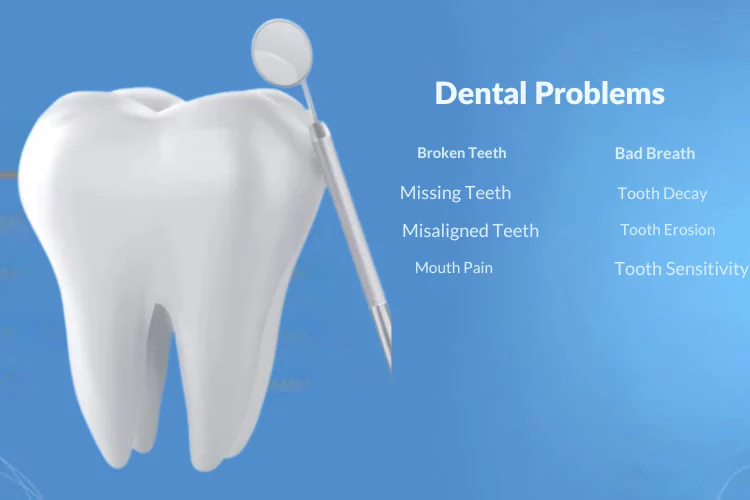
    Dental health isn’t just about brushing and flossing — it’s about staying ahead of issues that can sneak up on you. While most of us are familiar with cavities and gum disease, there are plenty of other dental problems that can arise unexpectedly. Some are more common than you might think, and many can be easily avoided or treated if caught early. Let’s dive into some of these lesser-known dental issues that you might not be aware of, but should definitely keep an eye on.

    1. Tooth Sensitivity – It’s Not Just the Cold!

    Ever feel that sharp pain when you take a sip of something hot or cold? It’s often dismissed as a minor issue, but tooth sensitivity can be a sign of something more serious, so you should definitely see one of the available dentists in Mandurah if you’re experiencing this. This discomfort happens when the tooth’s protective enamel wears away, exposing the softer tissue underneath, known as the dentin. The dentin contains tiny nerve endings, which is why the pain can be so intense.

    What causes tooth sensitivity? It could be due to:

    • Gum recession – as your gums recede, they expose more of your tooth, making it more sensitive.
    • Tooth grinding (bruxism) – often occurs at night, wearing down enamel over time.
    • Acidic foods and drinks – citrus fruits, soda, and vinegar can erode enamel if consumed too often.

    The good news? There are desensitising toothpastes and treatments available that can help manage the discomfort. It’s also a good idea to use a soft-bristled toothbrush and avoid aggressive brushing.

    2. Tooth Grinding – More Than Just a Nighttime Issue

    Tooth grinding, or bruxism, is more common than many people realise. While it’s often associated with stress or anxiety, it can happen during the day as well. Many people grind their teeth unconsciously while focused on work or other tasks. It can lead to a number of problems, including:

    • Worn-down teeth – persistent grinding can wear away the enamel, leading to tooth sensitivity and increased risk of decay.
    • Jaw pain – grinding puts pressure on your jaw muscles, which can result in discomfort or even TMJ (temporomandibular joint) disorder.
    • Headaches – clenching and grinding can also cause tension headaches, especially in the morning.

    The good news? A dentist can fit you with a custom mouthguard to protect your teeth at night. Stress management techniques, like yoga or deep breathing, can also help reduce the urge to grind.

    3. Dry Mouth – It’s More Than Just an Annoyance

    A dry mouth, or xerostomia, is a condition where you don’t produce enough saliva to keep your mouth moist. Saliva is essential for breaking down food, preventing tooth decay, and keeping your mouth clean. Without it, you’re more at risk of:

    • Tooth decay – reduced saliva increases the likelihood of cavities forming.
    • Gum disease – dry mouth can lead to plaque buildup and inflammation of the gums.
    • Bad breath – the lack of moisture can cause bacteria to build up in your mouth, resulting in persistent bad breath.

    Several factors can contribute to dry mouth, including medications, dehydration, and health conditions like diabetes. If you experience dry mouth regularly, consider using saliva substitutes, drinking plenty of water, and chewing sugar-free gum to stimulate saliva production.

    4. Overbites and Underbites – More Than Just a Cosmetic Concern

    When your teeth don’t align properly, it’s not just about how you look in photos. Overbites and underbites can actually cause serious dental issues over time. These misalignments happen when your upper and lower teeth don’t fit together properly, leading to:

    • Jaw pain – uneven bite pressure can lead to TMJ issues and discomfort.
    • Tooth wear – misaligned teeth can cause uneven wear, leading to cracks, chips, or excessive enamel loss.
    • Difficulty chewing – an improper bite can make eating difficult and less efficient, leading to digestive issues.

    Thankfully, orthodontics can help correct these misalignments. Braces or clear aligners can straighten your teeth and improve your bite, helping to prevent these long-term problems.

    5. Cavities Between Teeth – The Silent Dangers

    When we think of cavities, we typically think of the surface of the teeth. However, cavities can form in between your teeth where your toothbrush can’t always reach. These hidden cavities are often harder to spot but can cause serious damage if left untreated. Early signs might include:

    • Tooth sensitivity – particularly when eating sweet or cold foods.
    • Pain when chewing – especially when pressure is applied to the affected tooth.
    • Visible holes – cavities between the teeth can eventually cause visible pits or holes, but this often happens late in the process.

    To prevent cavities between your teeth, make sure you floss daily and get regular dental check-ups. Flossing helps remove plaque and food particles that your toothbrush can miss, ensuring a cleaner, healthier smile.

    6. Gum Recession – Not Just for Older Adults

    Gum recession is a gradual process where the gums pull away from the teeth, exposing more of the tooth’s root. While it’s more common in older adults, gum recession can affect anyone, especially if you:

    • Brush too hard – aggressive brushing can wear away gum tissue.
    • Suffer from gum disease – untreated gum disease can lead to gum recession as the tissues become weakened.
    • Experience tooth grinding – as mentioned earlier, grinding can put pressure on your gums, leading to recession.

    Gum recession can lead to tooth sensitivity and, in severe cases, tooth loss. The best way to protect your gums is to brush gently with a soft-bristled toothbrush and maintain good oral hygiene.

    7. Mouth Sores – They’re More Common Than You Think

    Mouth sores, like canker sores or cold sores, are not just irritating, they can also affect your ability to eat and speak comfortably. While cold sores are caused by the herpes simplex virus and are often recurring, canker sores are non-contagious and can appear for a variety of reasons, such as:

    • Stress – anxiety and tension can trigger mouth sores.
    • Certain foods – acidic foods like tomatoes and citrus fruits can irritate the mouth lining, leading to sores.
    • Hormonal changes – some people experience mouth sores during their menstrual cycle.

    Most mouth sores heal on their own within a week or two, but if you get them frequently, you might want to talk to your dentist to rule out underlying causes.

    Keeping Your Smile Healthy and Bright

    Many of these dental issues are easily preventable or treatable with the right care and attention. By staying on top of your oral hygiene, managing stress, and seeking professional help when needed, you can avoid or address these common dental problems. Regular dental visits are key to catching any early signs of issues, so don’t skip your routine check-ups. A healthy mouth is a happy mouth, and the effort you put in now will pay off in the long run.

  • Custom Coffee Packaging to Enhance Your Brand

    Custom Coffee Packaging to Enhance Your Brand

    In the competitive coffee industry, standing out from the crowd is crucial. One of the most effective ways to capture the attention of consumers and make a lasting impression is through custom coffee packaging. Your coffee packaging not only protects the freshness of the beans but also serves as a vital marketing tool that reflects your brand’s unique identity. Custom-printed coffee bags are an excellent way to differentiate your product and build a connection with your customers.

    In this blog post, we’ll explore the benefits of custom coffee bags and offer some design tips to help you create packaging that elevates your brand.

    Benefits of Custom-Printed Coffee Bags

    Custom coffee packaging offers a variety of benefits for coffee roasters and distributors. By customizing your coffee bags, you can create a unique and professional look that helps your product stand out in a crowded marketplace.

    1. Brand Recognition: Custom-printed coffee bags are a great way to showcase your brand identity. The design of your packaging—colors, logos, and messaging—becomes an essential part of your marketing strategy. With eye-catching designs, your coffee bags can attract customers even before they taste your product. Over time, your branding will foster recognition and customer loyalty.
    2. Protection and Freshness: The packaging plays a significant role in preserving the quality and freshness of your coffee beans. Custom coffee packaging, such as coffee bags for distributors, provides an airtight seal, keeping the coffee protected from light, moisture, and oxygen that can diminish flavor. Additionally, many coffee bags include one-way valves, which allow the beans to release gases without compromising the bag’s seal. This ensures that your customers receive the freshest coffee possible.
    3. Customization for Different Markets: Custom coffee packaging allows you to cater to specific customer needs. Whether you’re packaging for bulk distributors or selling single-serving sizes, you can choose the perfect size and material that meets the preferences of your target market. By choosing packaging that fits your product and audience, you can create a stronger connection with your customers.
    4. Eco-Friendly Options: As more consumers seek sustainable options, custom coffee packaging offers eco-friendly alternatives. Many coffee packaging solutions are recyclable, biodegradable, or made from renewable materials. This not only helps the environment but also appeals to environmentally-conscious consumers.

    Design Tips for Creating Eye-Catching Coffee Packaging

    Designing custom coffee bags that stand out requires careful planning. Here are some design tips to help you create packaging that grabs attention and enhances your brand’s appeal:

    1. Use Bold, Clear Branding: Your coffee packaging should immediately communicate who you are and what makes your coffee special. Use bold colors and a clear logo to establish your brand identity. Consider incorporating unique elements like your coffee’s origin, flavor profile, or any special attributes that set it apart from competitors.
    2. Focus on Visual Appeal: The design of your coffee packaging should evoke the feeling or experience that your coffee offers. Whether it’s a premium, luxury product or a fun, everyday brew, your packaging design should reflect the tone of your brand. Think about adding illustrations, typography, and graphics that resonate with your target market.
    3. Choose the Right Packaging Material: Coffee bags come in a variety of materials, and choosing the right one is important for both practicality and aesthetics. For example, stand up pouch bags are a popular choice for their ability to stand upright on shelves, providing excellent visibility. They also offer the flexibility of a resealable zipper to keep your coffee fresh after opening.
    4. Incorporate Functional Features: Consider adding functional features to your coffee packaging. One-way valves are essential for freshly roasted coffee beans, allowing for gas release without letting oxygen in. You can also opt for packaging with handles, spouts, or resealable options to make it more convenient for your customers.
    5. Consider Sustainability: Consumers are increasingly interested in sustainable products, and your packaging can reflect that. Consider using eco-friendly materials like compostable bags or recyclable pouches to appeal to this growing demographic.

    Custom coffee packaging, such as custom printed mylar pouches, can provide the ideal solution to preserve your coffee’s freshness and enhance your branding efforts. Whether you’re looking to create a premium product line or simply need a durable, functional package, there are numerous options available to help you meet your needs.

    In conclusion, investing in custom coffee packaging is a strategic way to protect your product, elevate your brand, and stand out in the competitive coffee market. By creating packaging that speaks to your customers and showcases your brand’s unique identity, you can increase your chances of success and foster long-term customer loyalty.

  • 7 Common Reasons People Visit Their GP (and What to Know)

    7 Common Reasons People Visit Their GP (and What to Know)

    A visit to your GP is often the first step in understanding and managing health concerns. While some appointments are for routine check-ups, others are prompted by specific symptoms or worries. This guide explores some of the most common reasons people book a GP appointment and what you should know about each one.

    1. Persistent Coughs and Respiratory Issues

    One of the leading reasons people see their GP is a nagging cough or breathing difficulties. It’s easy to shrug off a cough as a passing annoyance, but if it lingers for more than a few weeks or comes with other symptoms like shortness of breath or chest pain, it’s worth getting checked out.

    Your GP might investigate conditions like asthma, bronchitis, or even infections like pneumonia. If you’ve noticed any other warning signs, such as coughing up blood or unexplained weight loss, these should be mentioned during your appointment.

    When to book:

    • A cough lasting longer than three weeks
    • Wheezing or difficulty breathing
    • High fever accompanying the cough

    2. Unexplained Pain

    Pain that doesn’t seem to have an obvious cause can understandably cause concern, and is one of the most common reasons people head to Sloane Street Surgery. Whether it’s a sharp pain in your abdomen or ongoing discomfort in your joints, your GP can help identify the underlying issue.

    For example, abdominal pain might point to digestive conditions, while joint pain could be related to arthritis or inflammation. Keeping track of when the pain started, how often it occurs, and any other accompanying symptoms will help your doctor narrow things down.

    Common examples:

    • Headaches or migraines that are increasing in frequency
    • Chest pain unrelated to exertion
    • Chronic back or joint pain

    3. Skin Problems

    Skin concerns, from rashes to moles, are another common reason people seek medical advice. Whether it’s something as routine as eczema or more serious concerns like checking a mole for signs of skin cancer, your GP can provide guidance.

    Many skin conditions can be managed with over-the-counter treatments, but it’s always worth checking if something looks unusual, spreads rapidly, or is causing you significant discomfort.

    What to look out for:

    • New or changing moles
    • Persistent rashes or hives
    • Skin that’s dry, itchy, or inflamed despite treatment

    4. Digestive Issues

    Stomach problems can range from mild and short-lived to severe and chronic. If you’ve been dealing with bloating, diarrhoea, constipation, or stomach pain, it’s a good idea to consult your GP.

    These symptoms can be linked to various conditions, including food intolerances, irritable bowel syndrome (IBS), or infections. In some cases, your GP might recommend further testing to rule out underlying conditions like coeliac disease or Crohn’s disease.

    Red flags:

    • Blood in your stool
    • Unintentional weight loss
    • Severe or recurrent stomach cramps

    5. Mental Health Concerns

    It’s not uncommon for people to reach out to their GP for help with mental health challenges. Anxiety, depression, and stress are some of the most reported concerns, and your GP can provide a valuable first step towards support.

    From offering a listening ear to recommending therapies or medication, GPs play a key role in managing mental health. Don’t hesitate to discuss your symptoms, even if they feel difficult to articulate.

    Signs it’s time to seek help:

    • Feeling persistently low or hopeless
    • Difficulty sleeping due to anxiety or worry
    • Thoughts of self-harm or harming others

    6. Fatigue and Low Energy

    We all feel tired sometimes, but when exhaustion starts to interfere with daily life, it’s worth investigating. Persistent fatigue could stem from conditions like anaemia, thyroid problems, or chronic fatigue syndrome.

    Your GP will typically ask about your lifestyle, sleep patterns, and stress levels to pinpoint possible causes. Blood tests might also be ordered to check for any underlying issues.

    Possible related conditions:

    • Iron deficiency
    • Diabetes
    • Sleep apnoea

    7. Preventative Health and Check-Ups

    Routine check-ups are an essential part of staying on top of your health, even if you feel fine. Many people visit their GP for regular screenings, immunisations, or to manage chronic conditions like high blood pressure or diabetes.

    These appointments are a great opportunity to ask questions, update your medical history, and make any necessary lifestyle adjustments to maintain your overall health.

    Examples of preventative care:

    • Blood pressure and cholesterol checks
    • Vaccinations
    • Cancer screenings (e.g., cervical smears or bowel screening)

    Making the Most of Your Appointment

    When you visit your GP, preparation can make a big difference. Before your appointment, jot down your symptoms, including how long they’ve lasted and any patterns you’ve noticed. It’s also helpful to note any medications or treatments you’ve tried.

    Don’t be afraid to ask questions during your appointment. If there’s something you don’t understand, ask your GP to explain further or provide written information. This ensures you leave the appointment feeling confident about the next steps.

    Prioritising Your Health

    Visiting your GP doesn’t just address immediate concerns—it’s a proactive step towards protecting your long-term health. Whether you’re managing a chronic condition or dealing with new symptoms, staying on top of your health means fewer worries and better outcomes. So, if you’ve been putting off booking an appointment, consider this your sign to prioritise your well-being. Your health deserves it.

  • The Ultimate Guide to Starting Your HIIT Training Journey

    The Ultimate Guide to Starting Your HIIT Training Journey

    If you’ve been thinking about getting into HIIT (High-Intensity Interval Training), you’re probably curious about how to make it work for you. Maybe you’ve heard it’s an amazing workout for building strength, improving endurance, and torching calories in less time than traditional exercises. But how do you start without feeling overwhelmed?

    What Makes HIIT So Popular?

    HIIT has earned its reputation because it’s effective and efficient. It’s all about short bursts of intense activity followed by recovery periods. You don’t need fancy equipment or hours at the gym to see results. Whether you’re a fitness newbie or have some experience, HIIT can fit into your schedule and help you progress at your own pace.

    And let’s be honest—time is a big factor for most of us. Who wouldn’t love a workout that can deliver maximum results in a fraction of the time?

    Getting Started: What You Need to Know

    Before diving in, let’s clear up a common misconception: HIIT is not about pushing yourself to exhaustion every single session. The idea is to work hard during the active intervals but also allow your body to recover properly during the rest periods. This balance is what makes HIIT effective and sustainable.

    If you’re unsure where to start, Training Mate for beginners provides classes in an ideal environment to learn the fundamentals of HIIT. These classes are structured to guide you through the workouts with professional instruction, ensuring you build confidence and proper form from day one. Plus, working in a supportive group setting can make the process even more enjoyable.

    So, what do you need to begin? Comfortable workout clothes, a good pair of shoes, and a water bottle are the basics. If you’re working out at home, a yoga mat and some light dumbbells are great to have on hand, but they’re not essential. HIIT can be done with just your body weight.

    How to Structure Your First HIIT Session

    One of the best things about HIIT is its flexibility. You can customize it to match your fitness level and goals. If you’re a beginner, try this simple structure for your first workout:

    1. Warm-up – 5 minutes of light cardio like jogging in place or jumping jacks.
    2. Workout Intervals – 20 seconds of high-intensity effort (like squats or mountain climbers) followed by 40 seconds of rest. Repeat for 10-15 minutes.
    3. Cool-down – 5 minutes of stretching to relax your muscles and lower your heart rate.

    That’s it! You’ve just completed a HIIT workout. Keep in mind that it’s okay to modify exercises or take longer breaks if needed.

    What About Progression?

    As you build endurance and strength, you can increase the intensity of your workouts by shortening rest periods, adding more intervals, or incorporating equipment like resistance bands or kettlebells. The beauty of HIIT is that there’s always room to grow.

    For example, if you’re comfortable with 20 seconds of work and 40 seconds of rest, try switching to 30 seconds of work and 30 seconds of rest. Or add more challenging moves like burpees or jump lunges.

    Common Questions About HIIT

    How often should you do HIIT?
    For beginners, 2-3 sessions per week is a great starting point. This gives your body time to recover while still reaping the benefits. As you get stronger, you can gradually add more sessions, but it’s essential to listen to your body.

    Do you need a gym membership?
    Not at all! HIIT is incredibly versatile and can be done anywhere. If you enjoy group classes or need extra motivation, a gym or studio can be a great option. But if you prefer working out at home, there are countless bodyweight exercises and free online videos to guide you.

    What if I feel intimidated?
    It’s normal to feel a bit nervous when trying something new, but remember, HIIT is adaptable. You’re in control of the intensity and pace. Take it slow, focus on proper form, and don’t compare yourself to others.

    Benefits You’ll Notice

    Consistency is key, and with time, you’ll start to see (and feel) the results. Here are some perks to look forward to:

    • Increased stamina – Those short, intense bursts of activity will improve your cardiovascular health and energy levels.
    • Fat loss – HIIT is known for its ability to burn calories both during and after your workout, thanks to its afterburn effect.
    • Strength gains – Bodyweight moves like push-ups, squats, and planks will help build lean muscle.
    • Improved mood – Like any workout, HIIT releases endorphins that boost your mental well-being.

    Plus, it’s a workout you can squeeze into even the busiest days, making it easier to stick to long-term.

    Making It Beginner-Friendly

    If you’re just starting out, look for resources or plans labeled “Training Mate for Beginners.” These are designed to introduce you to HIIT in a safe, approachable way, with modifications for every fitness level. Building confidence early on is crucial to making fitness a regular part of your routine.

    How to Stay Consistent

    Starting strong is one thing, but sticking with it is where the magic happens. To stay consistent, set realistic goals and track your progress. Celebrate small wins, like completing an extra interval or mastering a new exercise. Variety is also essential—mix up your workouts to keep things fresh and exciting.

    Invite a friend to join you or find a supportive online community. Sometimes, having someone to cheer you on can make all the difference.

    Keep Going

    HIIT isn’t just a workout—it’s a lifestyle shift that prioritizes efficiency and results without requiring hours in the gym. As you progress, you’ll notice how much stronger, faster, and more energized you feel. The best part? You’re building a sustainable fitness habit that fits seamlessly into your life.

    When you’re ready to level up, explore more advanced routines or experiment with new exercises. The possibilities with HIIT are endless, and the results speak for themselves. So lace up those shoes, grab your water bottle, and start moving. Your fitness journey starts now.

  • Wellness Technology ByPulsetto: Revolutionizing Personal Health Monitoring

    Wellness Technology ByPulsetto: Revolutionizing Personal Health Monitoring

    In today’s fast-paced world, maintaining optimal health has become increasingly important. Wellness technology byPulsetto has emerged as a groundbreaking solution that combines cutting-edge innovation with practical health monitoring features. This comprehensive guide explores how this revolutionary technology is transforming the way we approach personal wellness.

    Understanding the Core Features of Wellness Technology ByPulsetto

    The foundation of wellness technology byPulsetto lies in its integrated approach to health monitoring. This sophisticated system combines various sensors, artificial intelligence, and user-friendly interfaces to provide real-time health insights. The technology goes beyond basic fitness tracking, offering a holistic view of your physical and mental well-being.

    Advanced Health Monitoring Capabilities

    Modern health enthusiasts appreciate the comprehensive monitoring features that make wellness technology byPulsetto stand out in the market. The system excels in tracking various vital signs and health metrics with remarkable accuracy. Here are the key monitoring capabilities:

    • Advanced heart rate variability tracking that provides insights into stress levels and recovery patterns
    • Continuous blood oxygen saturation monitoring for enhanced respiratory health awareness
    • Sleep pattern analysis with detailed reports on sleep quality and recommendations for improvement
    • Real-time stress level monitoring with guided breathing exercises for immediate stress relief
    • Customized activity tracking that adapts to different types of exercises and daily movements

    The Science Behind Wellness Technology ByPulsetto

    The technological foundation of this system is built on years of scientific research and development. By incorporating machine learning algorithms, the platform continuously learns from user data to provide increasingly accurate and personalized health insights.

    Personalization and User Experience

    What sets wellness technology byPulsetto apart is its highly personalized approach to health monitoring. The system adapts to individual user patterns and preferences, creating a truly customized wellness experience. The intuitive interface makes it easy for users of all technical backgrounds to access and understand their health data.

    Integration with Daily Life

    The seamless integration capabilities of wellness technology byPulsetto make it an invaluable tool for modern living. Users can easily incorporate health monitoring into their daily routines without disruption. The platform connects with various smart devices and applications, creating a comprehensive health ecosystem.

    Benefits for Different User Groups

    The versatility of wellness technology byPulsetto makes it beneficial for various user groups:

    • Health-conscious individuals seeking comprehensive wellness tracking:
      • Detailed activity and exercise monitoring
      • Nutritional guidance and meal planning support
      • Stress management tools and relaxation techniques
      • Sleep optimization recommendations
    • Healthcare professionals monitoring patient progress:
      • Remote patient monitoring capabilities
      • Detailed health reports and trends analysis
      • Early warning systems for potential health issues
      • Integration with electronic health records

    Future Developments and Innovation

    The future of wellness technology byPulsetto looks promising, with ongoing research and development focused on expanding its capabilities. The company continues to invest in new features and improvements based on user feedback and technological advancements.

    Data Privacy and Security

    Understanding the importance of personal health data, wellness technology byPulsetto implements robust security measures to protect user information. The platform adheres to international data protection standards and provides users with complete control over their health data.

    Making the Most of Your Device

    To maximize the benefits of wellness technology byPulsetto, users should:

    1. Regularly update their device software
    2. Customize settings according to personal health goals
    3. Take advantage of all available features
    4. Connect with the user community for tips and support

    Community and Support

    The growing community of wellness technology byPulsetto users provides valuable support and motivation. Users can share experiences, tips, and success stories through the platform’s community features, creating a supportive environment for achieving health goals.

    Conclusion

    Wellness technology byPulsetto represents a significant advancement in personal health monitoring. By combining sophisticated technology with user-friendly features, it provides a comprehensive solution for those seeking to improve their overall well-being. Whether you’re a fitness enthusiast, health-conscious individual, or someone looking to better understand their body, this technology offers valuable insights and support for your wellness journey.

    As we continue to see advancements in health technology, wellness technology byPulsetto stands at the forefront of innovation, helping users take control of their health through intelligent monitoring and personalized insights. The platform’s commitment to continuous improvement and user-centered design ensures it will remain a valuable tool in the pursuit of better health and wellness.

  • What is Riley Affenhance​: What You Need to Know

    What is Riley Affenhance​: What You Need to Know

    Riley Affenhance is a topic many are curious about. Knowing what it is can unlock its benefits. A review can give insights into its features and advantages, helping you decide.

    Exploring Riley Affenhance helps you understand its purpose and importance. It shows how it can positively change your life. Knowing about Riley Affenhance is key to seeing its value and uses.

    A detailed review of Riley Affenhance reveals its complexities. It sheds light on how it works and its uses. By looking into Riley Affenhance, you can grasp its benefits and limits. This knowledge helps you make smart choices about using it.

    Understanding Riley Affenhance: A Complete Overview

    Riley Affenhance is a complex formula that has caught a lot of attention. To really understand its power, we need to look into its science and key parts. The ingredients in Riley Affenhance are chosen to work together, boosting performance.

    The science behind Riley Affenhance is based on natural compounds. These have been studied for their benefits. Knowing how Riley Affenhance works helps us use it wisely and be aware of possible side effects.

    The Science Behind Riley Affenhance

    Scientific research supports Riley Affenhance’s effectiveness. Its components work together to show clear results. This makes it a favorite for those wanting to improve their performance.

    Key Components and Ingredients

    Some important ingredients include:

    • Natural compounds that enhance performance
    • Essential nutrients for overall health
    • Special blends for the best results

    Looking at the ingredients and how they work helps us understand Riley Affenhance. This knowledge helps avoid side effects and get the best results.

    Benefits and Real-World Applications of Riley Affenhance

    Riley Affenhance is a great supplement for better health. It boosts mental clarity, focus, and energy. To get these benefits, it’s key to use the right riley affenhance dosage.

    Some main benefits of Riley Affenhance are:

    • Improved cognitive function
    • Enhanced mood and reduced stress
    • Increased energy and endurance

    The special mix in Riley Affenhance supports health and wellness.

    It’s important to know the right riley affenhance dosage. The correct amount helps get the most benefits without side effects. By using the right dose and a healthy lifestyle, you can enjoy all Riley Affenhance offers.

    Conclusion: Is Riley Affenhance Right for You?

    After looking into Riley Affenhance, the big question is: is it for you? The riley affenhance customer reviews are mostly positive. Users have seen great riley affenhance results. So, for many, the answer is yes.

    This supplement helps with brain function, focus, and energy. It does this without the side effects of caffeine. Riley Affenhance is safe and backed by science. It’s a good choice for improving mental performance and health.

    Choosing Riley Affenhance is a personal decision. But, the evidence shows it could change your life. It’s great for anyone wanting to boost their brain power. Busy professionals, students, or anyone looking for more energy should think about it.